Iceland is known as the land of hot springs, but Greenland also has hundreds of hot water springs.
This is according to a scientific study by the Greenland Institute of Natural Resources, the University of Copenhagen and the Geological Survey of Denmark and Greenland (GEUS).
The researchers have collected knowledge about a total of 382 hot springs in Greenland.
The springs could be important for both tourism and as possible geothermal energy, according to a press release from the researchers behind the project.
- We have collected and quality-assured knowledge that has so far been spread across more than 100 years of material.
- From old expedition reports, botanical studies to modern satellite images and local place names such as Uunartoq and Puilasoq, which mean "hot spring" and "source", says postdoc at GEUS and first author of the study Eva Bendix Nielsen.
According to the researchers, this is a collection of "the most comprehensive knowledge to date about Greenland's hot springs".
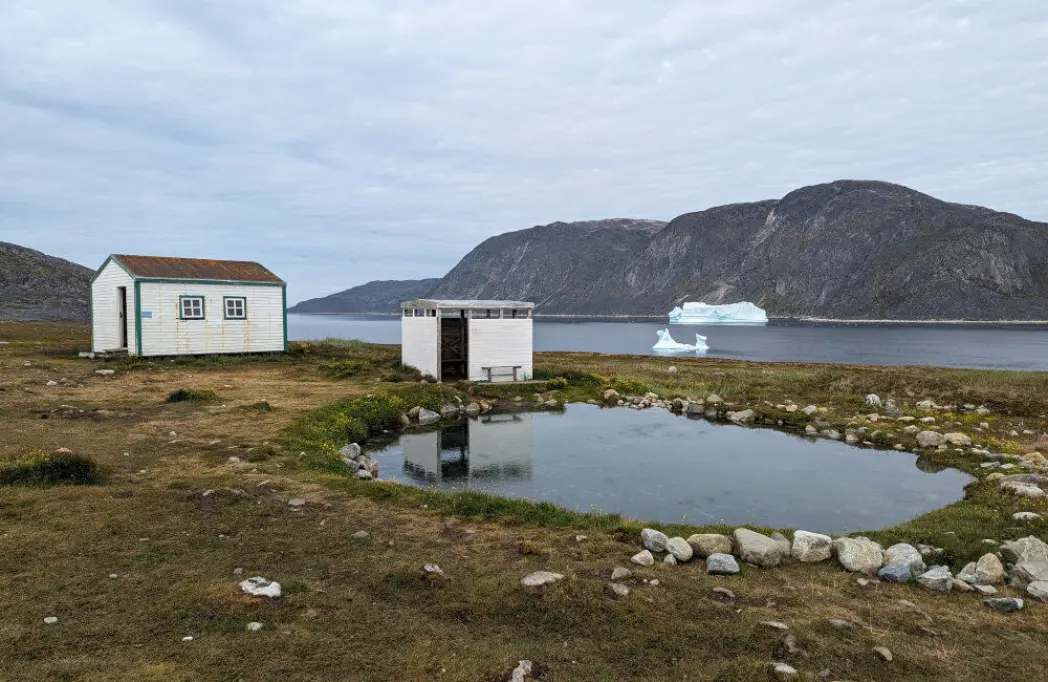
According to the announcement, one of the best-known hot springs in Greenland is the Uunartoq spring in South Greenland.
The water has a temperature of around 38-40 degrees and forms natural pools where you can swim.
The area is a popular attraction for both locals and tourists, it appears.
According to the announcement, other springs contain very special ecosystems and range from small oases with moss and plants to springs where the water is over 60 degrees hot.
They provide a breeding ground for heat-loving microorganisms and rare plants, it says.
The hottest springs are found on the east coast of Greenland.
Here there are microorganisms that, according to the press release, form a film of brightly colored microorganisms.
The extreme conditions make them particularly interesting for research, it appears.
- They give us a unique insight into how life can exist under conditions that resemble those we find in some of the Earth's earliest environments, says Professor at the University of Copenhagen Michael Kühl.
Many of the hot springs are located in areas that are rarely visited by researchers.
The researchers therefore encourage locals, trappers and tour operators who travel in the areas to report their observations of these springs.
/ritzau/