It has gradually become a permanent part of the landscape in Greenland: Foreign employees working in restaurants and hotels – and many have even learned a little Greenlandic.
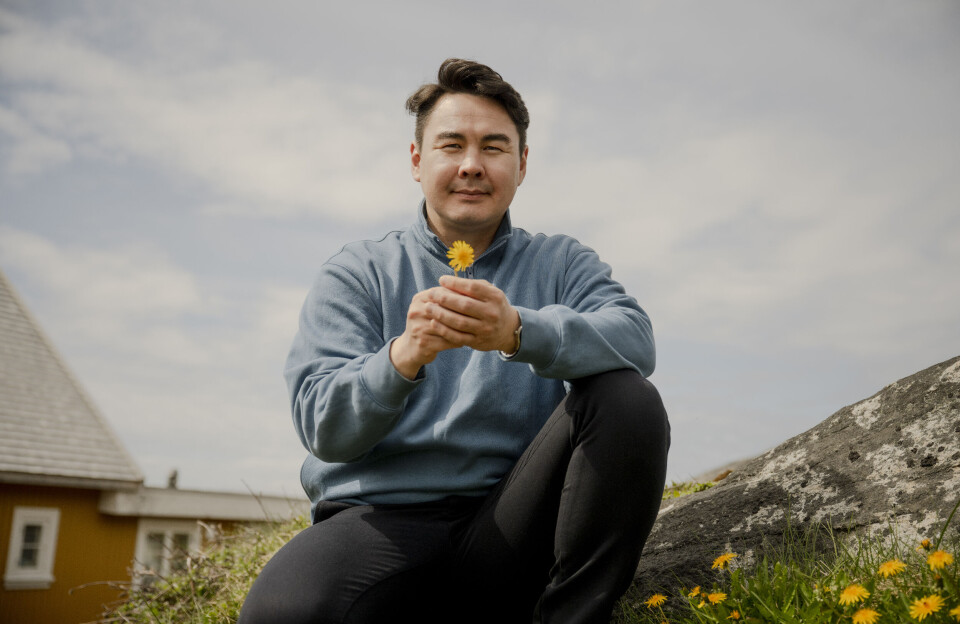
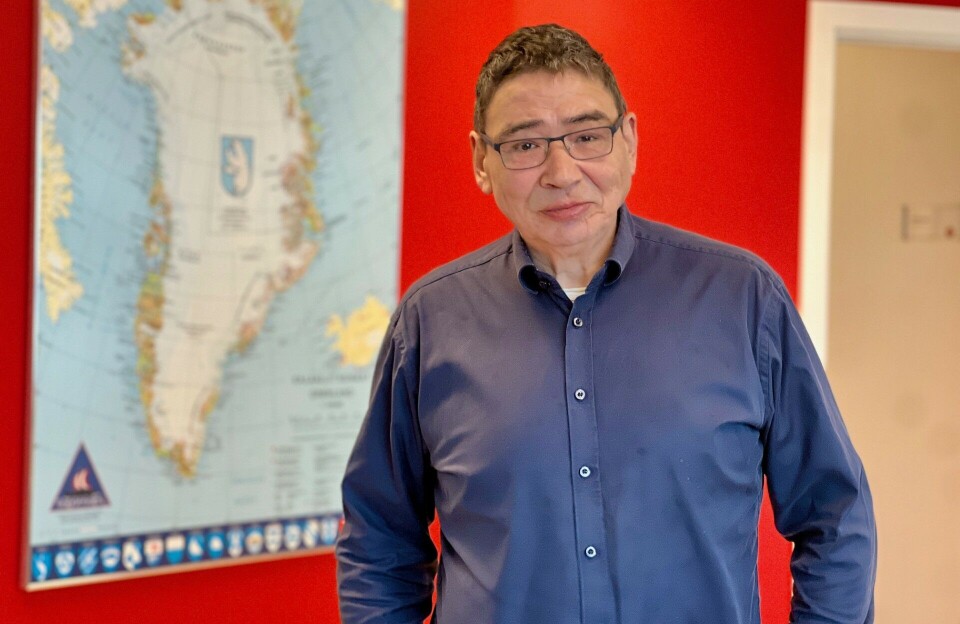
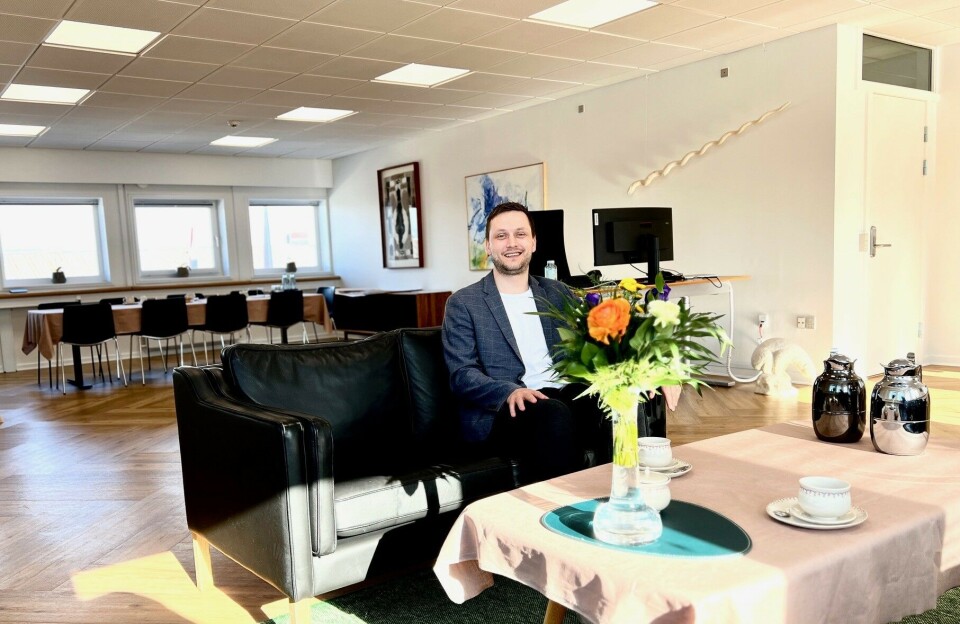
– The reality is that we cannot do without foreign labor, says Bentiaraq Ottosen.

But it is not only in the service industry that the demand is high. Welfare institutions and the public sector also badly need outside help.
“We all know that our healthcare system needs staff,” he adds.
Listen to the entire conversation with Bentiaraq Ottosen in the podcast, where he, among other things, elaborates on his visions. The podcast is in Greenlandic.
The number of foreign nationals in Greenland has increased by a whopping 75 percent over the past five years. Today, there are approximately 2,300 living there – but even that is far from enough.
– We are short of around 1,000 employees. If we choose development, it is important that we also welcome foreign workers, says Ottosen.
Even though foreign workers arrive in the country, there is currently no requirement for them to learn about Greenlandic society or language – simply because there is no integration policy.
– Therefore, it is our goal in the Greenlandic government to enact an integration law during this election period, emphasizes Ottosen.
The vast majority of foreign workers come from Asian countries such as Thailand and the Philippines. According to Statistics Greenland, there are currently 1,770 people from these countries – and some of them actually have an education that they are not allowed to use.

Untapped resources
– There are some people who are educated who may not have had a chance to use it, including in the healthcare sector. That is why there are some who work in the stores, explains Ottosen.
For example, it requires approval from the national doctor for a Filipino nurse to work in the Greenlandic healthcare system, but naalakkersuisoq believes that there should be flexibility.
– I think it is very important to open up to them in some way by finding opportunities, he says, pointing to a possible solution for those who have been in Greenland for over five years.
80-20 rule
For Bentiaraq Ottosen, balance is important – especially in the public sector. He envisions a distribution where 80 percent of employees are local and 20 percent are foreign.
– 80 percent of the company's employees must be resident, the remaining 20 percent can be from abroad. It is important that there is a balance so that the company is also protected, he says.
But in reality, it often looks different – especially in the restaurant industry, where the entire staff is in some cases foreign. Here, he does not want to impose the same requirements.
– Freedom is very important here if the company is private, he says.
He also sees no problem with foreigners working in public institutions – quite the opposite.
– Because the reality is that we lack staff in the nursing homes. I have traveled around Qeqqata Municipality and have been told that the elderly feel safe if a foreign workforce comes. The elderly feel safe because, as they say, it is fine – as long as we eat our food the way we do, he says.
Low work ethic among young people
Another challenge is the more than 2,000 young people between the ages of 16 and 25 who are neither in employment nor in education.
– I would also look at them because I want to give them a way to enter the job market, and I want to give them a chance, he says.
He believes that conscription can be a way forward because it gives young people the opportunity to learn discipline. In a KNR election program earlier this year, he was the only one among the party representatives to say yes to the idea.
– I think it is important to point out that work ethic can be low among young people, he says.

But the solution is not only conscription. Bentiaraq Ottosen also points to older people as a resource to boost the work ethic of young people.
– For example, older people can help show the way and use their experiences to help raise work morale, he says.
He wants children and young people to learn the value of work from an early age.
– Therefore, I think that the learning and opportunity we can get from the elderly, and I would like to encourage daycare centers and schools to start getting visits from the elderly. It will benefit the future work ethic, he says.
Integration policy
Bentiaraq Ottosen makes it clear that the lack of welcome for foreign workers is largely due to the absence of a real integration policy. The work was started under the former Naalakkersuisut and has now resumed.
– The Integration Act is not just a law that is supposed to help foreign workers become more integrated into Greenlandic society. It is a law that is supposed to help them learn our language, our values and our culture here in this country, he explains.
The Greenlandic government is going to start a labor market reform, and when it all gets underway, there are several things they need to decide on. One of them is the fast track scheme, where companies can quickly bring workers to the country. Right now, 159 companies are participating in the scheme.
– We have the fast-track scheme, which I support, but there is also something within it that needs to be assessed, says Ottosen.
However, he states that the Integration Act should not be confused with immigration policy.
– I don't want Greenland to become a refugee country. I'm not comfortable with that. That's why it's also important to separate immigration policy and integration policy, says Bentiaraq Ottosen.
Abonnementer
Sermitsiaq.gl - web artikler
- Adgang til alle artikler på Sermitsiaq.gl
- Pr. måned kr. 59.00
- Pr. år kr. 650.00
Sermitsiaq - E-avis
- Adgang til Sermitsiaq e-avis som udkommer hver fredag
- Adgang til alle artikler på Sermitsiaq.gl
- Pris pr. måned kr. 191
- Pris pr. år kr. 1.677
AG - Atuagagdliutit E-avis
- Adgang til AG - Atuagagdliutit e-avis som udkommer hver onsdag
- Adgang til alle artikler på Sermitsiaq.gl
- Pris pr. måned kr. 191
- Pris pr. år kr. 1.677
Sermitsiaq.AG+
- Adgang til AG - Atuagagdliutit e-avis som udkommer hver onsdag
- Adgang til Sermitsiaq e-avis som udkommer hver fredag
- Adgang til alle artikler på Sermitsiaq.gl
- Adgang til Arnanut e-magasin
- Adgang til Nutserisoq.gl
- Ved interesse send en mail til abonnement@sermitsiaq.gl
Kære Læser, Velkommen til Sermitsiaq.gl – din kilde til nyheder og kritisk journalistik fra Grønland. For at kunne fortsætte vores vigtige arbejde med at fremme den frie presse og levere dybdegående, kritisk journalistik, har vi indført betaling for udvalgte artikler. Dette tiltag hjælper os med at sikre kvaliteten af vores indhold og støtte vores dygtige journalister i deres arbejde med at bringe de vigtigste historier frem i lyset. Du kan få adgang til betalingsartiklerne fra kun kr. 59,- pr. måned. Det er nemt og enkelt at købe adgang – klik nedenfor for at komme i gang og få fuld adgang til vores eksklusive indhold. Tak for din forståelse og støtte. Dit bidrag hjælper os med at fortsætte vores mission om at levere uafhængig og kritisk journalistik til Grønland.