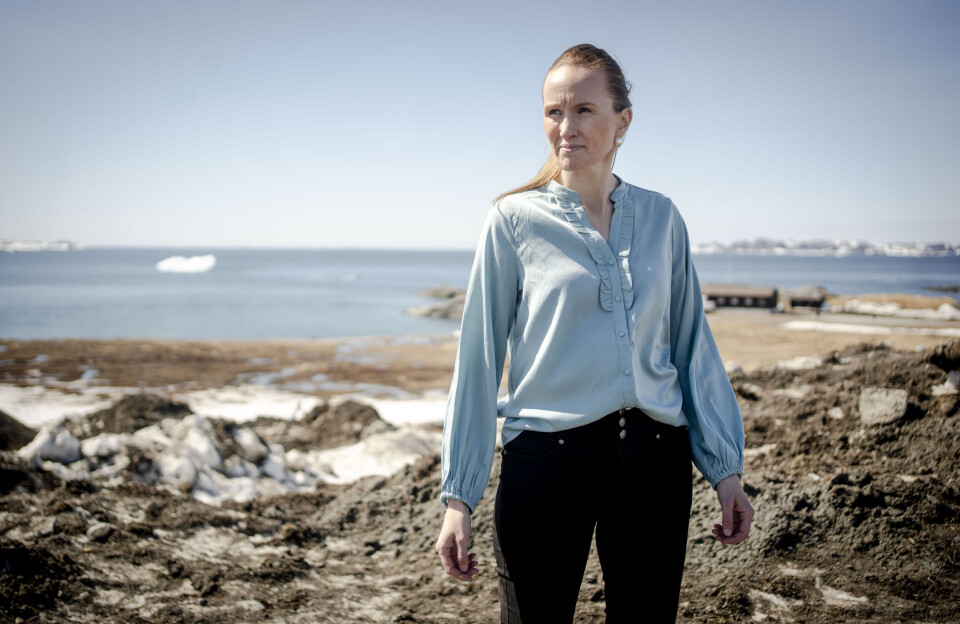
Nivi Rosing, Inuit Ataqatigiit, som er medlem i Inatsisartut, ønsker via paragraf 37-spørgsmål til Naalakkersuisut at få klarhed over, om der fremover skal vægtes lokalviden i højere grad ved kvotetildelinger af fangstdyr, der beskyttes ved restriktioner.
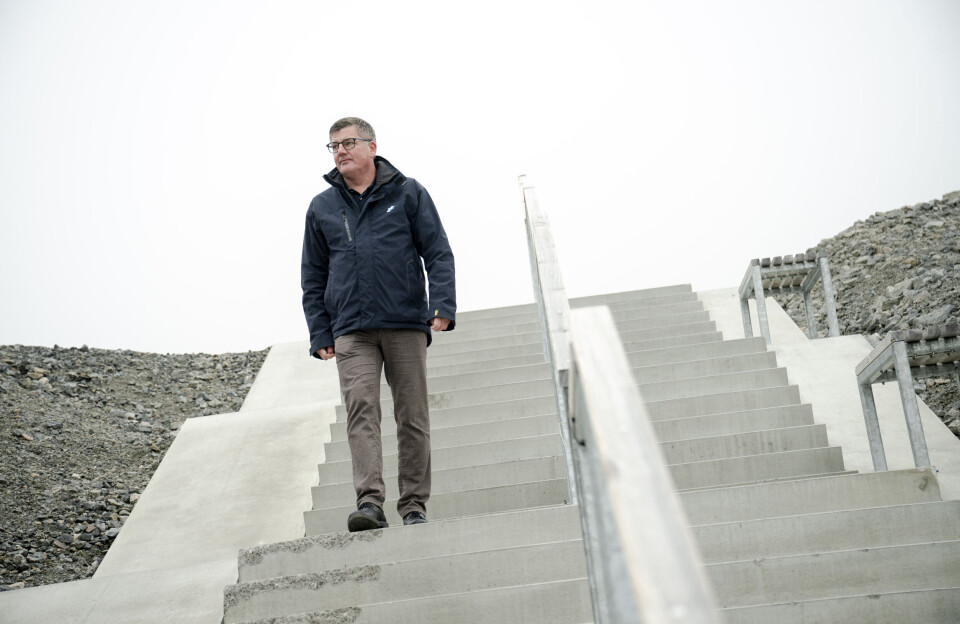
Ifølge Peter Borg, Demokraatit, som er Nalaakkersuisoq for Fiskeri, Fangst, Selvforsyning og Miljø, står der i Inatsisartutlov om fangst og jagt, at der skal lægges vægt på inddragelse af fanger- og brugerviden udmøntet blandt andet via relevante hovedorganisationer samt fangstråd.
Ifølge Nivi Rosing har øget inddragelse af lokalviden ved kvotetildelinger i Nunavut i Canada ført til, at myndighederne er begyndt at tildele flere hvid- og narhvalskvoter, og at hun fremover vil arbejde for, at lignende tiltag bliver implementeret i lovgivningen om fangst og jagt.
Loven moderniseret
Ifølge svarnotatet til Nivi Rosing følger Naalakkersuisut den seneste Inatsisartutlov om fangst og jagt fra 2023 og seneste ændring i 2024, hvor tilladelser og licenser blandt andet giver hjemmel til inddragelse af kommuner og folk, der er registreret i folkeregistret i administrationen af kvotetildelinger.
I Grønland skelner man ikke om man er oprindelig, og alle borgere der er registreret i folkeregistret behandles lige – der er dog bestemmelser om kvoterede arter, hvor der er to års bopælskrav for at man kan få licens til kvoterede arter, oplyser Peter Borg.
- Loven om fangst og jagt er blevet moderniseret og vil blive implementeret via artsbekendtgørelser samt Naalakkersuisuts beslutninger. Reglerne og kravene om kvotetildelinger er meget klare, også i forhold til inddragelse af kommuner og borgere.
- Naalakkersuisut vil fortsat være opmærksom på udviklingen af kvotetildelinger så det bliver administrativt nemmere for både kommuner og enkelte borgere at få adgang til licenser og tilladelser til kvoterede og ikke-kvoterede arter.
- Dette gør Naalakkersuisut blandt andet via digitalisereringer af jagtbevissystemet samt ansøgninger og fangstrapporteringer af kvoterede arter såsom rensdyr og moskusokser. Der sker også digital udvikling af øvrige kvoterede arter, som vil blive implementeret i de kommende år, skriver Peter Borg.
Følger kravene
Peter Borg oplyser, at Naalakkersuisut følger kravene om offentlige høringer om ændring af lovgivning og kvotetildelinger.
- Når Naalakkersuisut har udkast til lov eller bekendtgørelser sendes disse til høring til borgere via de formelle kanaler, herunder repræsentanterne i Naalakkersuisuts fangstråd, der er repræsenteret ved fisker- og fangerorganisationen Kalaallit Nunaanni Aalisartut Piniartullu Kattuffiat, KNAPK og fritidsjægernes organisation Tapertaralugu Piniartartut Aalisartartullu Kattuffiat, TPAK, samt et par repræsentanter fra kommunerne.
- På den måde får borgere i Grønland mulighed for at sende svar og dermed deltage i påvirkning af Naalakkersuisuts beslutninger, oplyser Naalakkersuisoq til Nivi Rosing.
Biologisk forsvarlig udnyttelse
I Inatsisartutlov om fangst og jagt står der blandt andet, at loven har til formål at sikre en hensigtsmæssig og biologisk forsvarlig udnyttelse af fangstressourcerne.
- I Inatsisartutlovens administration skal der lægges vægt på blandt andet den rationelle og sæsonmæssigt bedste udnyttelse i overensstemmelse med sædvanlig biologisk rådgivning og den tilgængelige fanger- og brugerviden, der ligestilles i vurderingsprocesser.
- Formålsparagraffen vægter også befolkningens rekreative og kulturelle behov. Den siger videre, at der skal lægges vægt på inddragelse af fanger- og brugerviden udmøntet blandt andet via relevante hovedorganisationer samt fangstråd, skriver Peter Borg.
Det fremgår i svarnotet også, at Grønlands Naturinstitut inddrager den lokale befolkning i forbindelse med planlægning og udførelse af biologiske undersøgelser af fangstdyr, og at Naturinstituttet interviewer fangere om deres viden om fangstdyrene og deres levesteder i deres lokale områder og inviterer dem til at deltage i tællinger af fangstdyr. Biologiske rapporter med anbefalinger bliver derefter sendt i offentlig høring, inden Naalakkersuisut træffer beslutning om kvoter, der tildeles til de enkelte kommuner.
Involverer fangere
Peter Borg oplyser, at Grønland er medlem af en række bilaterale, regionale og internationale organisationer.
- Her er eksempelvis KNAPK observatør og kan deltage i møderne. Den Nordatlantiske Havpattedyr Kommission, NAMMCO, involverer ofte fangerne som giver input om deres viden om fangstudstyr og metoder.
- Det skete senest i 2025, hvor der var en stor international workshop om heriblandt om fangstmetoder, som var arrangeret at NAMMCO. I den forbindelse præsenterede fangere fra Grønland power points om de forskellige fangstmetoder og udstyr, der anvendes i dag og gamle dage.
Fangerne har også givet stort bidrag til udformning af fangstmanualer om store og små hvaler, udarbejdet af NAMMCO, som er uddelt til både kommuner og KNAPK´s lokalafdelinger, oplyser Naalakkersuisoq for Fiskeri, Fangst, Miljø og Selvforsyning.
Går videre med sagen
I sommer deltog Nivi Rosing i Marralik-Ungunniavik Project, der er et canadisk projekt, der blandt andet har til formål at beskytte de oprindelig folks rettigheder i forhold til bæredygtig fangst.
Ifølge hende viser erfaringerne fra projektet, at inddragelse af lokalviden om fangst, jagt og fangstdyr er yderst vigtigt, når der skal tildeles kvoter.
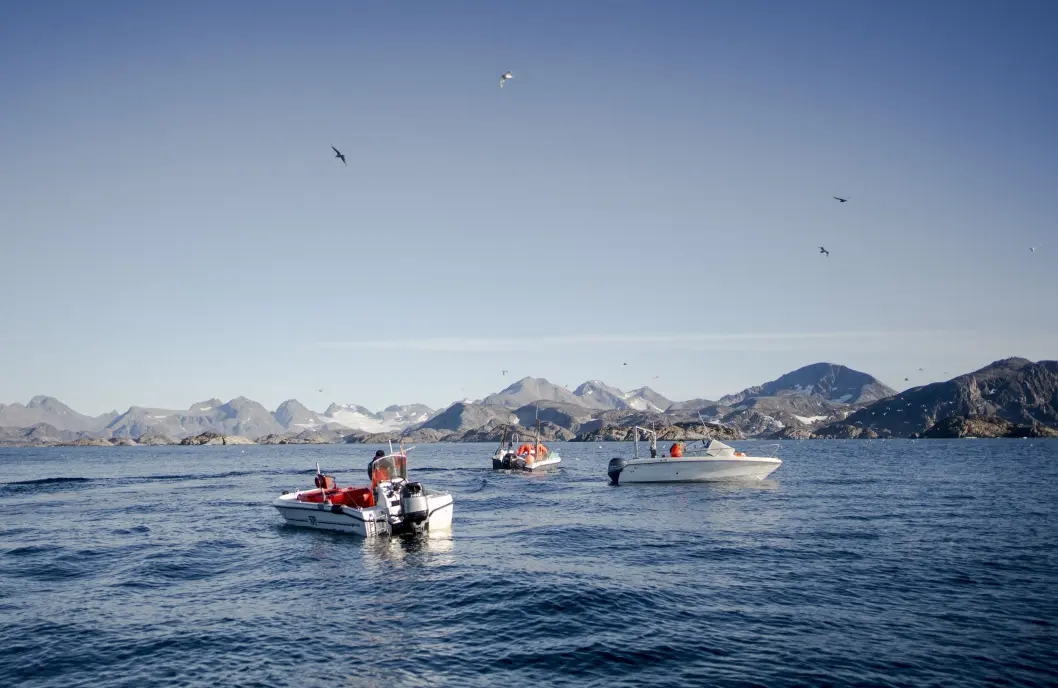
- Det blev ikke tildelt nar- og hvidhvalskvoter i et bestemt område i Nunavik i omkring 40 år. Men efter inddragelse af lokalviden om netop disse arter, er man nået til den konklusion, at der rent faktisk kan tildeles kvoter, hvorefter fangsten igen er muliggjort, siger hun.
Nivi Rosing får opbakning fra KNAPK i hendes målsætning om at lignende tiltag bliver implementeret i lovgivningen om fangst og jagt.
Abonnementer
Sermitsiaq.gl - web artikler
- Adgang til alle artikler på Sermitsiaq.gl
- Pr. måned kr. 59.00
- Pr. år kr. 650.00
Sermitsiaq - E-avis
- Adgang til Sermitsiaq e-avis som udkommer hver fredag
- Adgang til alle artikler på Sermitsiaq.gl
- Pris pr. måned kr. 191
- Pris pr. år kr. 1.677
AG - Atuagagdliutit E-avis
- Adgang til AG - Atuagagdliutit e-avis som udkommer hver onsdag
- Adgang til alle artikler på Sermitsiaq.gl
- Pris pr. måned kr. 191
- Pris pr. år kr. 1.677
Sermitsiaq.AG+
- Adgang til AG - Atuagagdliutit e-avis som udkommer hver onsdag
- Adgang til Sermitsiaq e-avis som udkommer hver fredag
- Adgang til alle artikler på Sermitsiaq.gl
- Adgang til Arnanut e-magasin
- Adgang til Nutserisoq.gl
- Ved interesse send en mail til abonnement@sermitsiaq.gl
Kære Læser, Velkommen til Sermitsiaq.gl – din kilde til nyheder og kritisk journalistik fra Grønland. For at kunne fortsætte vores vigtige arbejde med at fremme den frie presse og levere dybdegående, kritisk journalistik, har vi indført betaling for udvalgte artikler. Dette tiltag hjælper os med at sikre kvaliteten af vores indhold og støtte vores dygtige journalister i deres arbejde med at bringe de vigtigste historier frem i lyset. Du kan få adgang til betalingsartiklerne fra kun kr. 59,- pr. måned. Det er nemt og enkelt at købe adgang – klik nedenfor for at komme i gang og få fuld adgang til vores eksklusive indhold. Tak for din forståelse og støtte. Dit bidrag hjælper os med at fortsætte vores mission om at levere uafhængig og kritisk journalistik til Grønland.