New studies show that the Arctic is entering a new era of bioclimatic extremes, where heat waves, droughts, rain and snow, and sudden thaws in winter occur more frequently and over larger areas.
A focus article by Professor Torben R. Christensen from Aarhus University in the journal Science Advances focuses on the topic, which can have far-reaching consequences in the Arctic and thus Greenland.
- The special thing about extreme events is that they can push organisms and ecosystems beyond their tolerance limits, it is stated in an extract with reference to the focus article, which Science Advance has published.
Animal food threatened
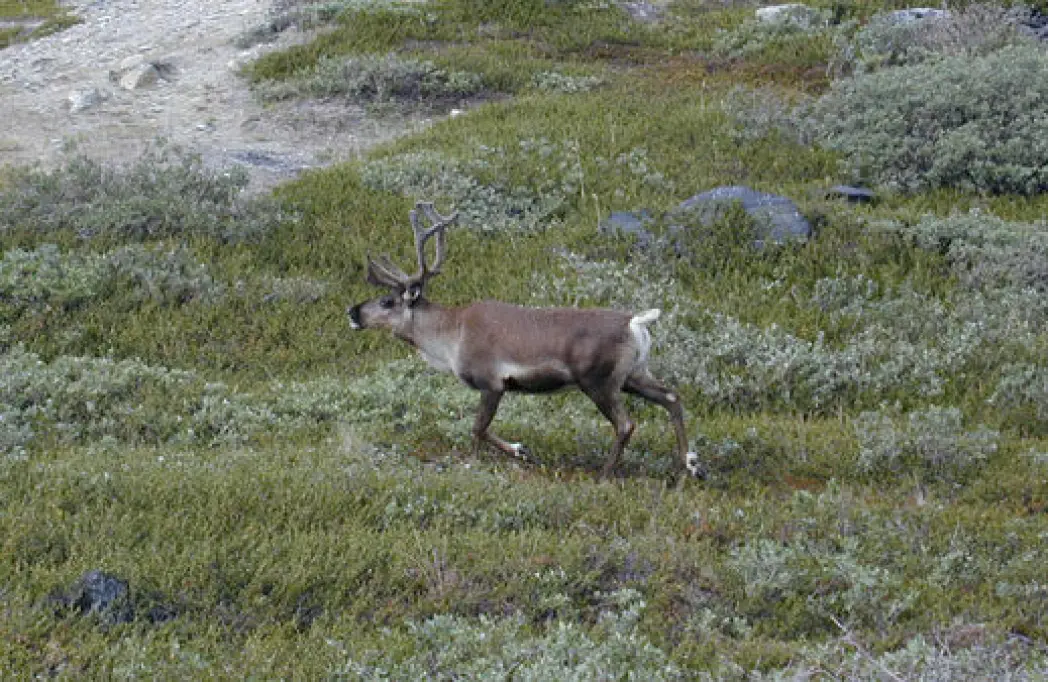
As an example, it is mentioned that a single winter sudden rain on snow can “encapsulate animal food in ice and lead to extensive mortality of grazing animals such as musk oxen and reindeer”.
- Similarly, the combination of heat waves and drought can trigger bush wilting, soil drying out and altered carbon exchange between soil, vegetation and atmosphere”, it says.
- These effects can occur in days or weeks, but affect populations and ecosystem functioning for years. This challenges biodiversity, the food supply for local communities and our ability to predict future greenhouse gas emissions from the Arctic.
Professor Torben R. Christensen points out that weather data over seven decades indicates that almost a third of Arctic land areas are now exposed to some types of extreme events “that were virtually non-existent in the mid-20th century”.
Scenarios must be developed
He therefore calls for decision-makers and management to incorporate scenarios that take into account the strong impacts: from infrastructure and preparedness to nature management and protection of vulnerable Arctic communities.
The extreme weather events in the Arctic are not only a problem for the various communities in the Arctic, it is pointed out.
- Vegetation loss reduces CO₂ uptake, thawing permafrost can release large amounts of greenhouse gases, and changing snow conditions affect the Earth's reflection of sunlight. Thus, Arctic extreme weather events can act as reinforcing feedback on global warming, the grim prediction is.
The focus article can be read in its entirety here (in English).