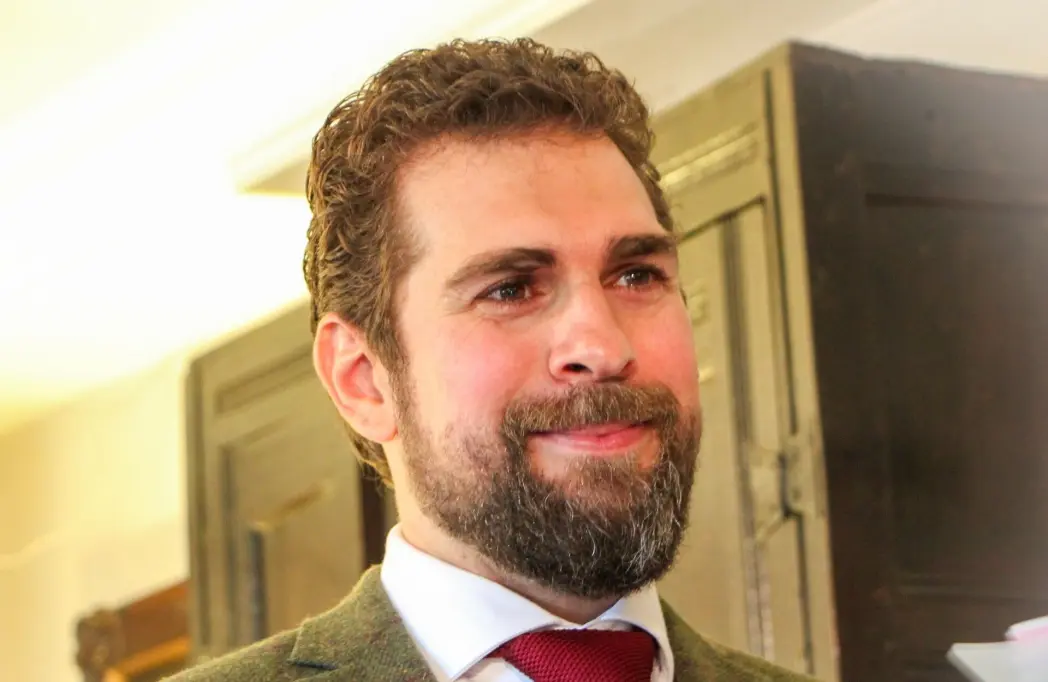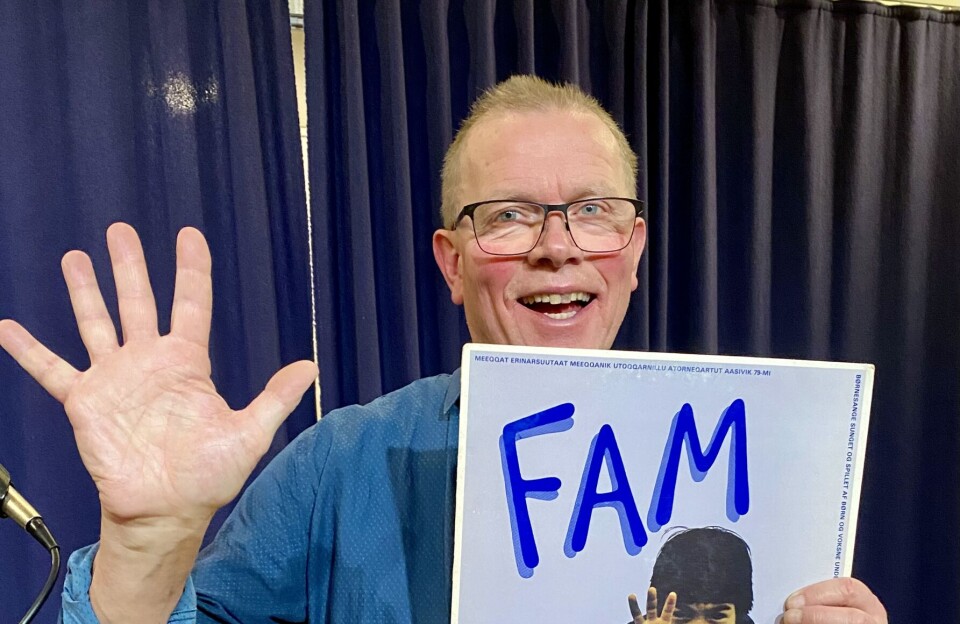
Da Christian Søgaard stod med studenterhuen i hånden i Sønderborg i 1976, vidste han kun én ting med sikkerhed: Han ville ud i verden.
Opleve noget, der rakte ud over både gymnasiet og det sydjyske. Familien Lidegaard, som han kendte gennem et venskab, foreslog Grønland – og kort efter stod han i Nuuk med kufferten i hånden, udstyret med en rolle, han senere med et smil har beskrevet som “en slags kiffaq” hos en lokal familie.
- Målet var at komme på eventyr, og det kom jeg i den grad. Jeg dumpede lige ned i en kulturel og politisk revolution, fortæller den dengang eventyrlystne student.
Det blev startskuddet til et livslangt forhold til Grønland i almindelighed – og til grønlandsk kultur og musik i særdeleshed. Så stærkt, at han i dag stadig spiller grønlandsk musik på danske spillesteder, blandt andet sammen med Rasmus Lyberth, som han til næste år har kendt i 50 år. Sammen har de blandt andet optrådt i Royal Albert Hall i London, og i november sørgede han for det musikalske islæt, da Lyberth blev optaget i Hall of Fame på Tønder Festival – sammen med Lyberths øvrige musikere og Aviaaja Lomholt.
Derudover holder Christian Søgaard foredrag om Grønlands musikhistorie – senest en torsdag i november i Svendborg, hvor han også bor og arbejder blandt andet som kirkeorganist. Han fortæller:
- Det er tre tusinde års musikhistorie, jeg fortæller om. Fra de første trommer, over kolonitidens møder mellem europæisk og grønlandsk tonesprog, til den moderne identitetskamp i rock, pop og folk. Musikken er en historiebog i sig selv – og man forstår Grønland bedre, når man hører, hvordan det har lydt.
En by i opbrud – og et ungt musikliv i frigørelse
Nuuk i 1976 var et sted, hvor ingenting stod stille. Hjemmestyreforhandlingerne buldrede i baggrunden, ungdommen organiserede sig i nye, grønlandsksprogede fællesskaber, og en helt ny bølge af musikalsk selvbevidsthed var ved at tage form.
Som nyankommet gjorde Christian det eneste logiske: Han kastede sig ud i det hele. Han boede hos en journalist på KNR og blev hurtigt en del af radioprogrammet Ungforum sammen med blandt andre Minik Rosing og Bo Lidegaard. Derudover lærte han de grønlandske polkaer – kalattuut – ved at sidde tæt på ældre musikere og notere melodierne ned, tone for tone, i det semimørke vinterlys. Han lærte lidt grønlandsk, nok til at kunne forstå vittighederne og synge med på de hurtige danse.
- Det gik op for mig, at musik var det sprog, vi allesammen kunne, husker han.
- Når man spillede, var man ligeværdige for hinanden. Så enkelt og så stærkt.
Aasivik – hvor et folk talte sig selv frem
I slutningen af 1970’erne blev Christian en fast del af Aasivik-stævnerne ved Aasiaat – store kulturpolitiske sommerlejre, hvor Grønland for første gang diskuterede sin fremtid på grønlandsk, og hvor alkohol var forbudt. Stemningen var intens, nyskabende og euforiserende.
- Der var en følelse af, at noget helt nyt blev skabt. Og det var vildt at være med til – som dansker, 20 år gammel.
Her mødte han blandt andet Kuupik Kleist, Malik Høegh og Juaaka Lyberth samt en række andre musikere og aktivister, som skulle komme til at spille centrale roller i Grønlands moderne kulturhistorie. Han spillede ved lejrbålene, indspillede sange og fik nye venner, som han skulle følge i årtier.

ULO – og mødet med en musikalsk opvågnen
Selv efter han flyttede tilbage til Danmark i 1978 for at gå på musikkonservatoriet, slap Grønland ham aldrig. Han blev tilknyttet pladeselskabet ULO, og fra hovedkontoret i København medvirkede han i en lang række projekter, der i dag er en del af Grønlands moderne musikkanon.
Han var med til at indspille albummet, Den flyvende kajak, hvor børn fra Uummannaq fortalte historier, som blev forvandlet til sange. Han lærte Karsten Sommer og Anders Dohn at kende – og sammen skabte de optagelser, som stadig bliver spillet i grønlandske hjem.
- Det utrolige var, at alt blev spillet, siger Christian.
- Der var en eksplosiv sult efter grønlandsk musik. Folk ville høre sig selv, deres sprog, deres historier. Det var en fantastisk oplevelse.
Sydgrønland – og musikken, der gemte sig i bygderne
Et af de mest mindeværdige projekter var en rejse til Sydgrønland sammen med Kuupik Kleist og Anders Dohn for at optage spillemandsmusik i bygderne. Fra stue til forsamlingshus, fra harmonika til trommedans.
- Det var en guldgrube, siger han.
- Hver bygd havde sin egen musikalske tone.
Rejsen blev til både bog og cd – og for Christian blev det en stærk påmindelse om, at musik ikke bare er underholdning, men kulturarv.
Rosa Ville – og en aften man ikke glemmer
Selv efter han blev en del af Tukaq Teatrets ensemble i Vestjylland, fortsatte hans grønlandske spor. Da han en aften spillede en af Rosa Ville-melodierne – populære grønlandske dansenumre – skete der noget uventet.
- Pludselig er der en, der hiver mig i skjorteærmet og siger: ‘Det er min musik, du spiller.’
Det viste sig at være Rosa Ville selv. Hun havde ikke optrådt i mange år, og publikum standsede dansen, stirrede op på hende og hviskede: “Hvor har vi hørt hende før?”
Der var både grin og tårer den aften.
Da strubesangen lød i Nuuk for første gang
Et andet mindeværdigt øjeblik opstod i Nuuk-hallen under optagelser til en ICC-koncert, hvor inuitmusikere fra Canada og Alaska deltog. Christian sad i lyd-boksen sammen med Karsten Sommer, da strubesang – katajjaq – lød for første gang.
- Det var fuldstændig ubegribeligt, siger han.
Karsten gik udenfor for at høre, hvordan det lød i hallen, og kom tilbage grinende:
“Det lyder ligesådan udenfor!”
En linje gennem et liv
Når Christian Søgaard ser tilbage på de to år i Nuuk og på sin lange tilknytning til grønlandsk kultur, er det tydeligt, at opholdet ændrede alt: hans musik, hans livsbane, hans identitet.

- Jeg troede, jeg skulle lære et nyt sted at kende, siger han og fortsætter:
- Men det viste sig, at det var musikken, der lærte mig noget om mennesker. Den åbnede alle døre.
Og måske er det forklaringen på, hvordan en ung mand fra Sønderborg endte med at blive en af de få danskere, der har spillet sig helt ind i hjertet af Grønlands moderne musikliv – uden at folk nødvendigvis ved, at tonen på deres gamle kassettebånd også bar hans hånd.
Abonnementer
Sermitsiaq.gl - web artikler
- Adgang til alle artikler på Sermitsiaq.gl
- Pr. måned kr. 59.00
- Pr. år kr. 650.00
Sermitsiaq - E-avis
- Adgang til Sermitsiaq e-avis som udkommer hver fredag
- Adgang til alle artikler på Sermitsiaq.gl
- Pris pr. måned kr. 191
- Pris pr. år kr. 1.677
AG - Atuagagdliutit E-avis
- Adgang til AG - Atuagagdliutit e-avis som udkommer hver onsdag
- Adgang til alle artikler på Sermitsiaq.gl
- Pris pr. måned kr. 191
- Pris pr. år kr. 1.677
Sermitsiaq.AG+
- Adgang til AG - Atuagagdliutit e-avis som udkommer hver onsdag
- Adgang til Sermitsiaq e-avis som udkommer hver fredag
- Adgang til alle artikler på Sermitsiaq.gl
- Adgang til Arnanut e-magasin
- Adgang til Nutserisoq.gl
- Ved interesse send en mail til abonnement@sermitsiaq.gl
Kære Læser, Velkommen til Sermitsiaq.gl – din kilde til nyheder og kritisk journalistik fra Grønland. For at kunne fortsætte vores vigtige arbejde med at fremme den frie presse og levere dybdegående, kritisk journalistik, har vi indført betaling for udvalgte artikler. Dette tiltag hjælper os med at sikre kvaliteten af vores indhold og støtte vores dygtige journalister i deres arbejde med at bringe de vigtigste historier frem i lyset. Du kan få adgang til betalingsartiklerne fra kun kr. 59,- pr. måned. Det er nemt og enkelt at købe adgang – klik nedenfor for at komme i gang og få fuld adgang til vores eksklusive indhold. Tak for din forståelse og støtte. Dit bidrag hjælper os med at fortsætte vores mission om at levere uafhængig og kritisk journalistik til Grønland.