Når stormagter rasler med sablerne og lader hånt om internationale love og regler, så bør mindre folk og mindre lande stimle sammen og kæmpe politisk for at opretholde international lov, ret og normer.
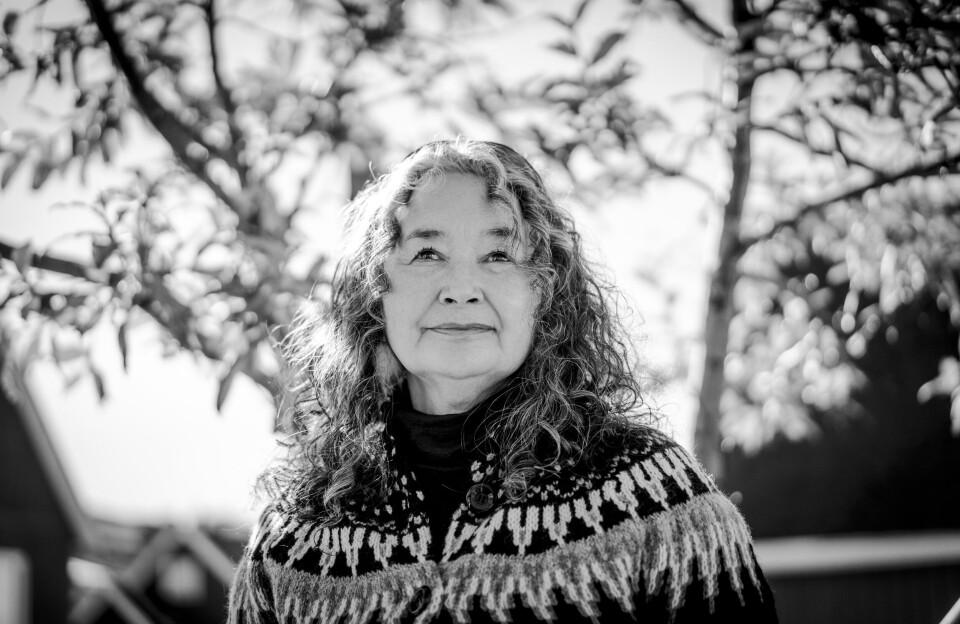
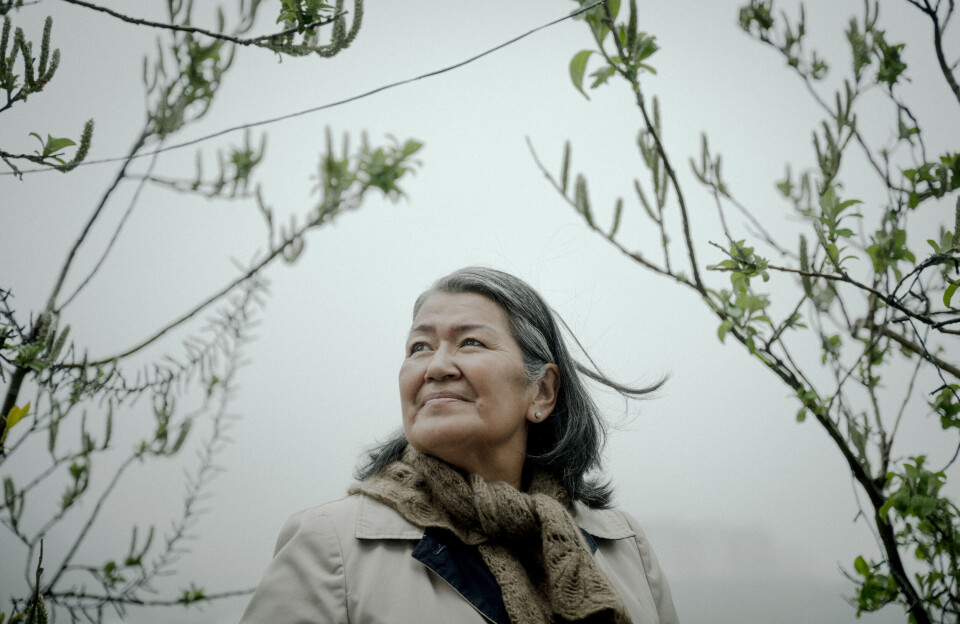
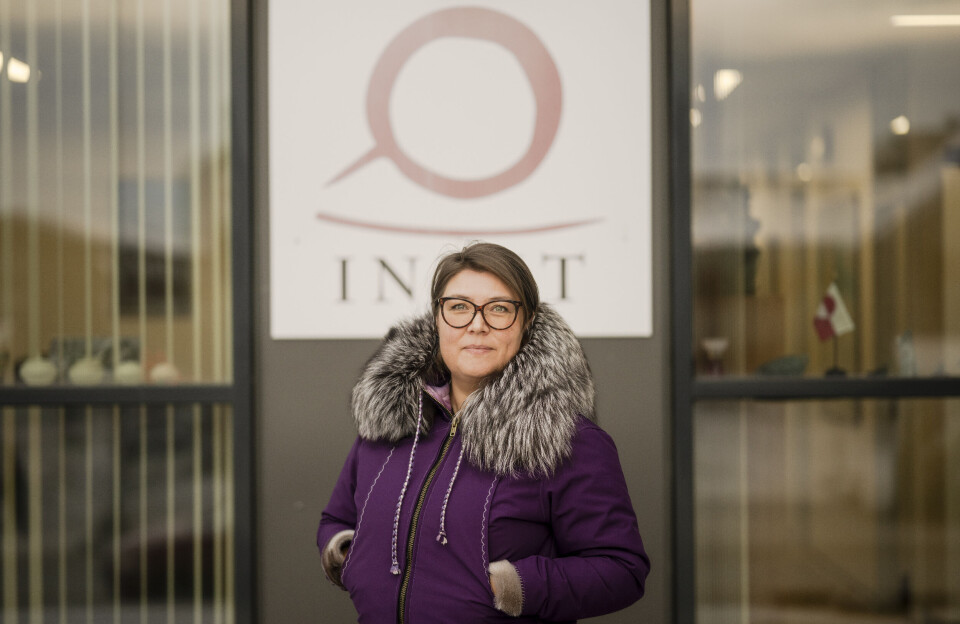
Det fastslår Sara Olsvig, der er forkvinde for den international oprindelige Inuit-organisation Inuit Circumpolar Council og desuden har skrevet en ph.d-afhandling om Grønlands udenrigspolitik.
- Vi bliver nødt til at insistere på diplomatiet og dialogens vej, siger Sara Olsvig til Sermitsiaq om den nuværende situation, hvor der dagligt kommer nye udmeldinger fra USA, hvor præsidenten drømmer om at komme til at eje Grønland.
Situationen stiller store krav til Grønland og Danmark
Ifølge Sara Olsvig er det utrolig vigtigt, at man ikke taler diplomatiet ned, og man skal blive ved med at insistere på, at der er nogle kanaler, der er nogle måder at samarbejde på gennem officielle repræsentanter, som fungerer:
- Det ser vi jo også nu, hvor der er etableret en aftale om et formelt møde mellem de tre udenrigsministre. Samtidig har andre stater meldt klart ud, at de står sammen med Grønland og Danmark.
- Men succesen af et sådant møde vil delvist afhænge af, hvor gode man har været til at koordinere internt, mellem den danske regering og Naalakkersuist, og samtidig, at Naalakkersuisut har sikret sig et stærkt mandat fra Inatsisartuts side, både i hvordan de vil positionere sig over for Danmark, og hvad de vil bringe med sig af budskaber til USA.
Sara Olsvig understreger, at det er en alvorlig situation, som stiller store krav til både Grønlands og Danmarks ledelse:
- Det er for alle en svær situation at navigere i, når der er så store jokere i spil.
- Men det er vigtigt, at man særligt i den arktiske region ser tilbage på, hvordan vi har formået at opretholde et fredeligt samarbejde og en fredelig region også i tidligere svære tider, på trods af at være de her meget forskelligartede politiske enheder, der udgør Arktis, siger hun.
Selvstændighedsprocesser har været med til at skabe situationen
- De fem kyststater, som inkluderer USA og Rusland, har for eksempel gennem Ilulissat-erklæringen fra 2008 givet håndslag på at ville efterleve international lov og orden i Arktis. Den aftale skal man ikke afskrive, men derimod fremhæve.
- Samtidig skal man huske, at Arktis, som en region beboet af mange folkeslag, har en særlig politisk historie. Her har oprindelige folk levet i årtusinder, og man har evnet at navigere i en lang række politiske processer gennem historien, uden at miste sin identitet og sin politiske indflydelse. Det kommer til udtryk i Arktisk Råd.
Hun forklarer, at det formentlig er selvstændighedsprocesser, som har været med til at skabe den nuværende situation, fordi inuit og herunder grønlænderne, har haft evnen til at forhandle sig frem til selvstyreordninger og fortsat presser på for mere selvbestemmelse:
- Det i sig selv er ikke usædvanligt, den kamp deler vi med oprindelige folk fra hele verden. Samtidig er det dog også dét, der skaber denne situation. Omverdenen og de store magter har fået øjnene op for, at selvstyre- og selvbestemmelsesprocesser er en del af Arktis.
Stormagterne vil holde skarpt øje
Sara Olsvig siger, at det er en selvforstærkende effekt, der er uundgåelig, for folk kæmper naturligvis for deres selvbestemmelse. Og stormagterne vil holde skarpt øje med, hvor man bevæger sig hen af politisk, fordi de har behov for at vide hvem der kontrollerer hvad, særligt i en tid med øgede spændinger geopolitisk:
- Hvis der ikke er en intern struktur, som på en eller anden måde understøtter processen på en tilfredsstillende måde, særligt for dem der ønsker selvbestemmelsen, så kan der blive stillet spørgsmålstegn ved, hvem der kontrollerer hvad, siger Sara Olsvig og fortsætter:
- Spørgsmålet om, hvem der kontrollerer hvad, er ikke overraskende, så derfor er det vigtigt i de her år, at man kender diplomatiet, man kender sine egne spilleregler, at man garderer sig med nogle processer, som tager højde for de politiske ønsker, der er i Grønland.
Grønland og Danmark skal oppe sig
Sara Olsvig siger, at der er nogle interne processer i Grønland og Danmark, som bør forbedres:
- Det gælder Danmark, som vi jo tidligere har set, ikke altid har sikret sig, at Grønland er med ved bordet, men det gælder også både Naalakkersuisut og Inatsisartut, som står over for en overordentligt stor opgave.
- De skal oppe sig i forhold til interne orienteringer, men også holde tungen lige i munden i forhold til, hvilke kanaler man skal dele hvad på, siger hun med henvisning til, at formanden for Inatsisartuts Udenrigs- og Sikkerhedspolitiske Udvalg (USPU), Pipaluk Lynge (IA), har været ude med hård kritik af manglende inddragelse af de grønlandske politikere i udvalget.
- De sidste dages diskussioner om Udenrigspolitisk Nævn i Folketinget og USPU afslører lidt, at der har man ikke gjort sit hjemmearbejde i forhold til at styrke de interne strukturer, og det gælder både i Grønland og Danmark.
- Man skal dog huske, at de to systemer, altså den danske regering og Folketinget på den ene side, og Naalakkersuisut og Inatsisartut på den anden side, er to selvstændige systemer. Informationerne deles regering til regering, og Inatsisartut kan selv ændre deres lov og sikre en større parlamentarisk inddragelse fra Naalakkersuisuts side i udenrigspolitiske sager, siger Sara Olsvig.
Abonnementer
Sermitsiaq.gl - web artikler
- Adgang til alle artikler på Sermitsiaq.gl
- Pr. måned kr. 59.00
- Pr. år kr. 650.00
Sermitsiaq - E-avis
- Adgang til Sermitsiaq e-avis som udkommer hver fredag
- Adgang til alle artikler på Sermitsiaq.gl
- Pris pr. måned kr. 191
- Pris pr. år kr. 1.677
AG - Atuagagdliutit E-avis
- Adgang til AG - Atuagagdliutit e-avis som udkommer hver onsdag
- Adgang til alle artikler på Sermitsiaq.gl
- Pris pr. måned kr. 191
- Pris pr. år kr. 1.677
Sermitsiaq.AG+
- Adgang til AG - Atuagagdliutit e-avis som udkommer hver onsdag
- Adgang til Sermitsiaq e-avis som udkommer hver fredag
- Adgang til alle artikler på Sermitsiaq.gl
- Adgang til Arnanut e-magasin
- Adgang til Nutserisoq.gl
- Ved interesse send en mail til abonnement@sermitsiaq.gl
Kære Læser, Velkommen til Sermitsiaq.gl – din kilde til nyheder og kritisk journalistik fra Grønland. For at kunne fortsætte vores vigtige arbejde med at fremme den frie presse og levere dybdegående, kritisk journalistik, har vi indført betaling for udvalgte artikler. Dette tiltag hjælper os med at sikre kvaliteten af vores indhold og støtte vores dygtige journalister i deres arbejde med at bringe de vigtigste historier frem i lyset. Du kan få adgang til betalingsartiklerne fra kun kr. 59,- pr. måned. Det er nemt og enkelt at købe adgang – klik nedenfor for at komme i gang og få fuld adgang til vores eksklusive indhold. Tak for din forståelse og støtte. Dit bidrag hjælper os med at fortsætte vores mission om at levere uafhængig og kritisk journalistik til Grønland.