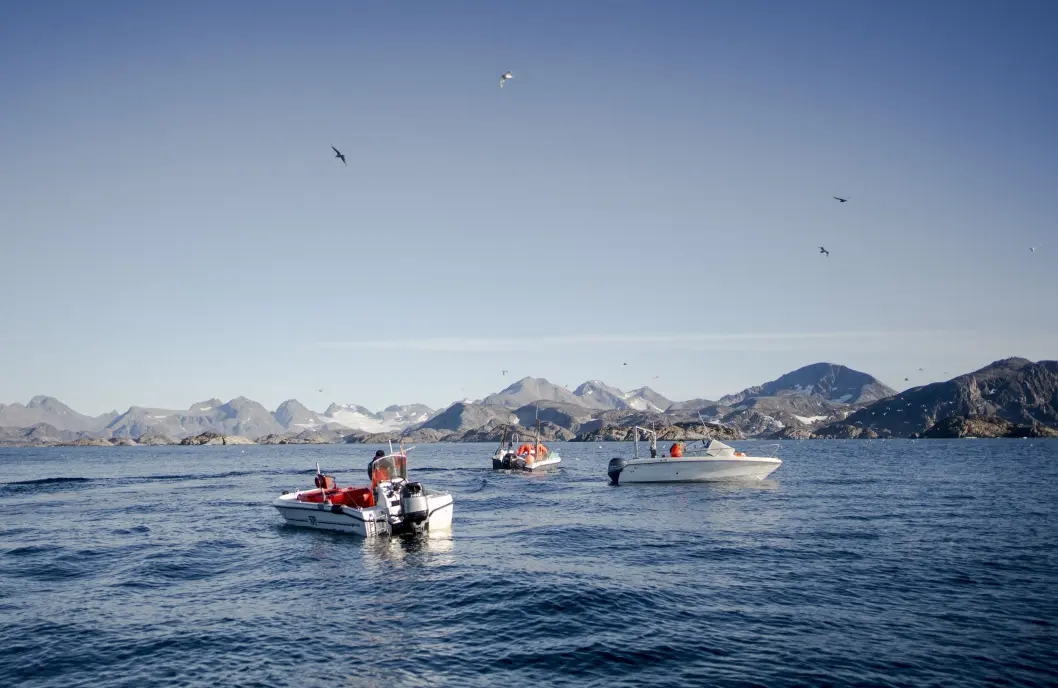
Den nye fiskerilov, der trådte i kraft den 1. januar 2025 og dannede grundlag for en ny struktur for fiskerierhvervet i Grønland, fylder et år ved årsskiftet.
Fiskeriloven har mange fordele, men der er behov for enkelte og vigtige justeringer, mener de to fisker- og fangerorganisationer, Grønlands Fisker- og Fangerorganisation, KNAPK, og den kystnære fisker- og fangerorganisation, SQAPK.
Behov for ændringer
Ifølge Naalakkersuisut skal fiskeressourcerne udnyttes bedst muligt hvert år, hvorfor man indførte nye krav i fiskeriloven om landingspligt på 75 procent af de årlige kvotemængder for fiskere, der fiskerne med Individuelt Omsættelige Kvoter (IOK).
Det betyder, at fiskeren hvert år skal udnytte minimum 75 procent af sin årlige kvotemængde. Hvis man ikke formår at udnytte 75 procent af sin kvotemængde tre år i træk, skal man i følge fiskeriloven tilpasse sin kvoteandel, og hvis det ikke sker, vil Naalakkersuisut tage den kvoteandel, man ikke kan udnytte tilbage og udbyde til nogen som har behov for den.
Konsulenttjenesten KONFIFA har tidligere sagt til Sermitsiaq, at denne bestemmelse i fiskeriloven har skabt forvirring hos de fiskere, der er overgået til IOK-ordningen.
Og hvis loven ikke tilpasses, kan det få katastrofale konsekvenser for nogle fiskere, siger fiskerorganisationerne.
For kort tidsperiode
Formanden for KNAPK, Pele Blytmann, siger, at fisker- og fangerforeningerne, ikke mindst KNAPK, har brugt lang tid på at sikre sig, at de forskellige krav til det indenskærs fiskeri efter hellefisk er blevet opfyldt, siden loven trådte i kraft.
- Vi har måttet bruge meget tid på at hjælpe fiskere i yderdistrikterne, der ikke kan bruge MitID og som ikke forstår dansk eller der er ordblinde, så de kan opfylde kravene. Tidsperioden var meget kort, og man har ikke været opmærksomme på disse problemer.
- Året er ved at være omme, og der er stadig mange igangværende administrative opgaver af den art igang, hvilket skyldes den korte tidsfrist for at opfylde de mange krav, siger han.
Et potentielt problem
KNAPK frygter, at udnyttelsespligten til at fiske 75 procent af det årlige kvotemængder for fiskere, der er overgået til IOK-systemet i forvaltningsområde 47, kan skabe alvorlige problemer.
- I år er der masser af torsk mange steder langs kysten, og indhandlingspriserne er høje, hvilket betyder, at mange fiskere, der fisker efter hellefisk i henhold til IOK, nu i stedet fisker efter torsk.
- Det betyder, at mange ikke kan opfylde deres forpligtelse til at fiske 75 procent af hellefiskekvoten, og de står til at miste dele af kvoten, hvilket er uacceptabelt, siger Pele Blytmann.
Eftersom fiskere tilpasser fiskeriet i forhold til hvilke fiskearter der er tilgængelige, mener KNAPK-formanden, at 75 procents udnyttelsespligten bør justeres i forhold til de faktiske forhold.
Det modsatte er tilfældet
SQAPK-formand Anthon Lindenhann retter ligesom KNAPK, kritik af dette omstridte punkt i fiskeriloven.
- Vi har ellers forgæves fremsat ønske om ændringer i netop dette punkt i fiskeriloven, hvilket naturligvis er beklageligt.
- Fiskeriloven er generelt en succes, men nogle af dens bestemmelser, som for eksempel udnyttelsespligten på 75 procent af kvoten, bør og må tilpasses fiskernes vilkår, siger han.
Formålet med indførelsen af IOK-systemet for jollefiskere var blandt andet at skabe et mere sikkert og stabilt fiskeri, men ifølge Anthon Lindenhann, er det modsatte tilfælde nu en realitet, da fiskerne må anstrenge sig for at opfiske kvoten, frem for at gemme den til senere brug, hvilket ifølge ham ikke er hensigtsmæssigt.
Abonnementer
Sermitsiaq.gl - web artikler
- Adgang til alle artikler på Sermitsiaq.gl
- Pr. måned kr. 59.00
- Pr. år kr. 650.00
Sermitsiaq - E-avis
- Adgang til Sermitsiaq e-avis som udkommer hver fredag
- Adgang til alle artikler på Sermitsiaq.gl
- Pris pr. måned kr. 191
- Pris pr. år kr. 1.677
AG - Atuagagdliutit E-avis
- Adgang til AG - Atuagagdliutit e-avis som udkommer hver onsdag
- Adgang til alle artikler på Sermitsiaq.gl
- Pris pr. måned kr. 191
- Pris pr. år kr. 1.677
Sermitsiaq.AG+
- Adgang til AG - Atuagagdliutit e-avis som udkommer hver onsdag
- Adgang til Sermitsiaq e-avis som udkommer hver fredag
- Adgang til alle artikler på Sermitsiaq.gl
- Adgang til Arnanut e-magasin
- Adgang til Nutserisoq.gl
- Ved interesse send en mail til abonnement@sermitsiaq.gl
Kære Læser, Velkommen til Sermitsiaq.gl – din kilde til nyheder og kritisk journalistik fra Grønland. For at kunne fortsætte vores vigtige arbejde med at fremme den frie presse og levere dybdegående, kritisk journalistik, har vi indført betaling for udvalgte artikler. Dette tiltag hjælper os med at sikre kvaliteten af vores indhold og støtte vores dygtige journalister i deres arbejde med at bringe de vigtigste historier frem i lyset. Du kan få adgang til betalingsartiklerne fra kun kr. 59,- pr. måned. Det er nemt og enkelt at købe adgang – klik nedenfor for at komme i gang og få fuld adgang til vores eksklusive indhold. Tak for din forståelse og støtte. Dit bidrag hjælper os med at fortsætte vores mission om at levere uafhængig og kritisk journalistik til Grønland.